Psychologists & Mind Architects
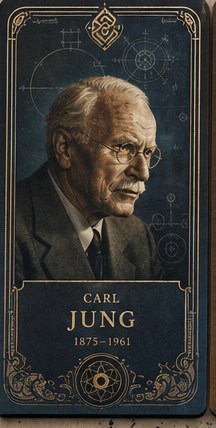
Carl Jung
Carl Jung is seeded here as a depth theorist within the Psychologists & Mind Architects launch canon. The prototype frames Carl Jung through behavior, identity, learning, and the architecture of the self, with emphasis on archetypes and symbolism across europe memory systems.
Back Record
Carl Jung enters the Arena with soft-power dominance, filtered through psychologists & mind architects set logic and a present-day comparison baseline.
Carl Jung can call in clinics, classrooms, and behavioral frameworks as persistent support.
Carl Jung's record lane remains active because Therapy culture, educational systems, and workplace language still borrow heavily from these templates.
Signature Moves
- Reference lock through archetypes pressure.
- Audience surge through archetypes pressure.
- Coalition pivot through archetypes pressure.
Timeline
- Modern: Carl Jung enters the record through archetypes leverage.
- Peak pressure: Depth Theorist status stabilizes across europe memory systems.
- Long aftershock: debates about archetypes and symbolism remain active in later eras.
Major Actions
- 1. Carl Jung: Provided a model that changed how institutions describe development, motivation, or pathology.
- 2. Carl Jung: Moved psychological language into classrooms, clinics, management, or everyday self-explanation.
- 3. Carl Jung: Created a framework that later researchers refined, contested, or operationalized.
Controversies
- 1. Carl Jung: Replication, overreach, and reductionism remain active points of critique.
- 2. Carl Jung: The gap between experimental theater and everyday human life is heavily debated.
- 3. Carl Jung: Some claims survive more as cultural memory than as clean contemporary consensus.
Card Notes
- Primary pressure vector: scholarship and spectacle.
- Representation policy remains portrait allowed.
- This card record is seeded as a concise prototype entry and expects future source expansion.